Key Takeaways:
- Home building ideas for 2026 focus on adaptability, energy efficiency, and long-term value. Homeowners want spaces that can evolve as lifestyles and technology change.
- Sustainability is becoming standard. High-efficiency HVAC, low-E windows, solar panels, smart water systems, and green features help lower costs and boost performance.
- Smart technology works best when integrated during construction. Whole-home automation, voice control, and built-in security create a seamless and future-ready home.
- Wellness-focused home design is on the rise. Air and water purification, natural lighting, biophilic elements, and quiet zones enhance daily comfort.
- Flexible spaces add major value. Home offices, multipurpose rooms, and convertible guest suites support evolving needs without major remodels.
- Outdoor living remains a priority. Indoor–outdoor transitions, resort-style pools, and fully equipped outdoor kitchens expand how homeowners use their space.
- Timeless design paired with personalization creates lasting appeal. Quality materials, custom details, and purpose-driven layouts keep a home both stylish and functional for decades.
Every great home starts with a great idea. And in 2026, those ideas are evolving faster than ever.
Realtor.com’s 2025 Home Trends Report shows just how quickly expectations are shifting: Water-saving features jumped 289.6% in listing mentions year-over-year, and biophilic/indoor-outdoor design elements rose 162.6%, making them two of the fastest-growing priorities in new-construction and remodeled homes.
In this guide, we’ll break down the custom home building ideas for 2026 that homeowners ask about most. These features add comfort now and long-term value later:
- Smart home technology that integrates seamlessly
- Flexible floor plans and house blueprints designed for changing lifestyles
- Energy-efficient and sustainable systems
- Wellness-focused features that improve daily living in your dream home
- Outdoor living upgrades that expand usable space
- Timeless house design elements that won’t age out
Why Does Future-Ready Design Matter in Today’s Builds?
Building a home in 2026 means thinking about how well the space will perform as technology, lifestyles, and family needs keep evolving. Homeowners increasingly want features that feel current today and stay relevant a decade from now.
That means prioritizing home building ideas and trends that deliver long-term function, easy adaptability, and strong resale appeal. Future-ready design matters because it creates a foundation that can grow with the home.
Upgrading mechanical systems, planning for smart-home integration, or choosing flexible layouts all require early planning. These choices lower future renovation costs and help the home evolve smoothly as needs change.
1) Embracing Long-Term Value
Homes built with flexibility, durability, and efficiency in mind tend to hold their value better. Thoughtful material choices, upgradable systems, and layouts designed for changing lifestyles all play a role.
These elements make the home more comfortable day-to-day while also appealing to future buyers who expect modern performance.
2) Balancing Timeless Style With Modern Innovation
A successful 2026 build blends enduring design with forward-looking function. Classic architectural details, natural materials, and clean lines create a timeless foundation.
Layering in modern infrastructure, like scalable smart-home wiring, EV-ready garage power, or high-efficiency HVAC, means the home feels both grounded and prepared for what’s coming next.
What Are the Best Sustainable Home Building Ideas for 2026?
Sustainability has shifted from a nice-to-have to a core expectation in new construction. Homeowners want homes that are efficient, resilient, and comfortable year-round.
The right home building ideas can significantly reduce utility costs while improving long-term performance.
1) Energy-Efficient Building Systems
2026 builds are prioritizing systems that use less energy without sacrificing comfort. High-efficiency HVAC units, variable-speed heat pumps, and advanced insulation create a tighter, more efficient building envelope.
Low-E windows and strategic shading keep interiors cooler in hot climates and reduce the load on cooling systems.
2) Smart Water Management
Smart irrigation sensors, drought-tolerant landscaping, permeable pavers, and rainwater capture systems make it easier to conserve water without compromising outdoor appeal.
These features reduce long-term water use and help stabilize utility costs as weather patterns continue to shift.
3) Living Roofs and Vertical Greenery
Green roofs and living walls are gaining traction for homeowners who want standout design with practical benefits.
They help regulate indoor temperatures, improve air quality, and introduce natural textures into the design. When planned early, these features can be as low-maintenance as traditional landscaping while adding a dramatic architectural element.
How Should Smart Technology Be Integrated Into New Builds by 2026?
Smart technology works best when it’s built into the home from day one, not added as an afterthought. Homeowners in 2026 expect tech that feels seamless, helpful, and unobtrusive, and custom home builders who plan for it early create homes that stay functional far longer.
1) Whole-Home Automation
Centralized systems now control lighting, climate, window treatments, and security from a single app or panel. These systems create consistency across the home, making it easy to adjust settings for comfort, efficiency, or daily routines.
Planning wiring and hub placement during construction keeps everything clean and future-ready.
2) Voice-Activated Environments
Voice control is moving beyond simple tasks like turning lights on and off. In 2026, homeowners want voice-activated scenes, gate access, media control, and whole-home adjustments that work instantly and reliably.
When integrated early, these tools blend into the background and feel like part of the home, not just another gadget.
3) Integrated Security Systems
Security is now a standard part of smart-home planning. Homes increasingly include hardwired cameras, biometric entry, alarm systems, and remote monitoring that runs through a single platform.
Designing these systems during construction means builders can hide wiring, position devices correctly, and create a more secure, more streamlined setup.
What Enhances Wellness and Comfort in Modern Homes and Spaces?
Wellness design is becoming one of the most influential home building ideas for 2026. Homeowners want spaces that support healthier living, better air quality, and a sense of calm throughout the day.
These features go beyond aesthetics. They make the home feel better to live in.
1) Air and Water Quality Systems
Indoor air quality matters more than ever. Builders are integrating advanced HVAC filtration, whole-home dehumidifiers, and UV air purification to keep indoor environments clean and stable.
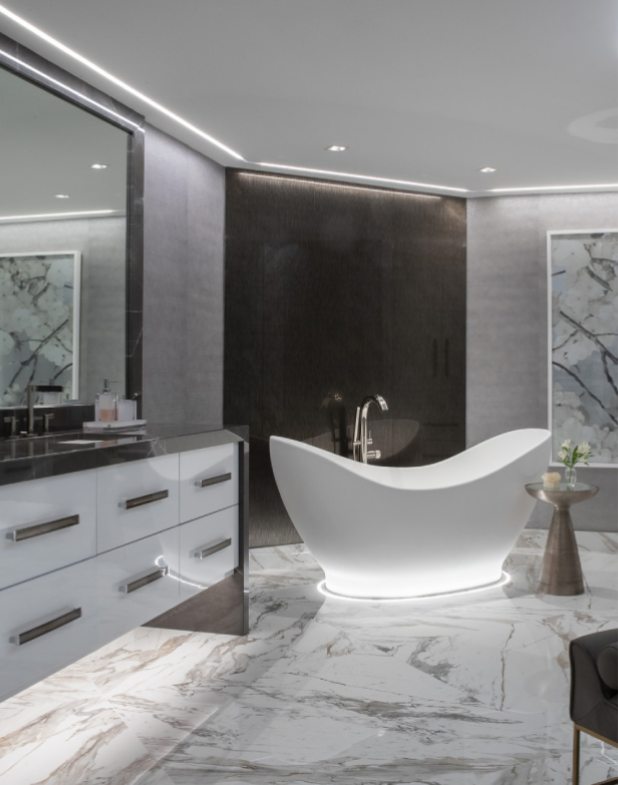
Water purification systems are also becoming common, especially in areas with sediment, aging infrastructure, or seasonal water changes. Moreover, shower walls tie directly to wellness, daily comfort, easy cleaning, moisture control, and long-term durability — all core selling points in 2026 builds.
2) Natural Lighting and Biophilic Design
Daylight has a measurable effect on energy, mood, and productivity. Strategic large window placement, skylights, and circadian lighting systems bring more natural light into main living areas.
Biophilic design (real plants, natural textures, and organic forms) strengthens the connection between indoor spaces and the surrounding environment.
3) Quiet Zones and Sound Management
Acoustics are an overlooked part of wellness. Soundproofed offices, reading rooms, or meditation spaces give homeowners places to recharge without distractions.
In open layouts or busy households, acoustic panels and insulated walls help maintain a quieter, more comfortable atmosphere.
How Can Flexible and Multipurpose Spaces Add Value?
Flexible design has become one of the most important home building ideas for 2026. Homeowners want rooms that can evolve as life changes, without major renovations or costly reconfigurations.
The more adaptable the space, the longer the home stays functional.
1) Home Offices and Remote Work Zones
Remote and hybrid work are here to stay. Dedicated offices, study nooks, and video-friendly work areas make daily routines easier and more productive.
These rooms can double as hobby spaces, quiet rooms, or guest accommodations when needed.
2) Multipurpose Living Areas
Bonus rooms, mud rooms, lofts, and dens now serve many roles. They can shift from playrooms to home gyms to secondary lounges as families grow.
Designing these spaces with storage, lighting flexibility, and durable materials keeps options open.
3) Convertible Guest Suites
Multigenerational living is influencing new-build floor plans. Suites with private entrances, small kitchenettes, or separate seating areas give guests more independence.
They also make it easier to host adult children, aging parents, or long-term visitors.
4) Modern Laundry Rooms
Laundry rooms are evolving into more functional task spaces rather than simple utility zones. Storage cabinets, grab bars, built-in sorting areas, durable flooring, and space for pet care or cleaning supplies make these rooms more versatile.
Designing them with workflow in mind adds everyday convenience and improves overall home organization.
What Outdoor Living Features Will Define Desirable Properties in 2026?
Outdoor living continues to rank among the most requested home building ideas for 2026. Homeowners want spaces that feel like natural extensions of the interior: comfortable, functional, and usable year-round.
1) Seamless Indoor–Outdoor Transitions
Large sliding or folding glass doors make it easy to move between indoor and outdoor areas. Continuing flooring materials or ceiling lines helps both spaces feel connected.
Weather-rated screens and durable exterior finishes keep these transitions smooth year-round.
2) Resort-Style Pools and Lounges
Pools are no longer just a luxury feature. They’re becoming central gathering spaces. Zero-entry designs, sun shelves, and saltwater systems offer more comfort and lower maintenance.
Shaded lounges, fire features, and built-in seating areas create an outdoor environment that’s usable day and night.
3) Outdoor Kitchens and Dining Areas
Outdoor cooking spaces remain in high demand. Grills, vented hoods, undercounter refrigeration, and durable cabinetry make it easy to host year-round. Plus, don’t forget the easy access outdoor outlets.
These setups expand the home’s footprint and offer a natural place for guests to gather.
How Does Timeless Design Meet Personalization in 2026 Homes?
Homeowners want spaces that feel both current and enduring. One of the biggest home building ideas for 2026 is finding the balance between timeless design and meaningful personal touches.
The goal is to create a home that reflects the owner’s lifestyle without feeling tied to a passing trend.
1) Custom Finishes and Architectural Details
Details are what make a home feel intentional. Built-ins, high-quality millwork, custom trim, and thoughtful lighting choices add personality without overwhelming the space.
When done well, these elements create a sense of character that remains appealing for decades.
2) Local Art and Craftsmanship
Personalization doesn’t have to be loud. Many homeowners introduce identity through handcrafted pieces, local artwork, or materials sourced from regional makers.
These touches create a sense of connection while still fitting within a timeless design framework.
3) Purpose-Driven Floorplans
A home’s layout has a bigger impact on long-term livability than almost any finish. Reading nooks, home gyms, wine rooms, and flexible bonus spaces allow the home to reflect daily routines and personal interests.
These areas can shift over time, keeping the home relevant as needs change.
Building for 2026 and Beyond
The strongest homes are built around ideas that last. When efficiency, smart technology, flexible spaces, and thoughtful design come together, the result is a home that feels current today and capable for years to come. These choices elevate comfort, support daily living, and help protect long-term value.
Every detail, from mechanical systems to floorplan design, shapes how a home performs over time. When planned with intention, the finished space becomes both personal and enduring.
If you’re planning a new build, the right ideas matter, as does the team behind them. Carlson Harris brings clarity, craftsmanship, and decades of experience to projects that blend timeless design with forward-thinking solutions. Let’s build a home ready for the future. Reach out now!