Key Takeaways
- A hurricane-resistant home relies on a combination of structural engineering, building code compliance, and material selection.
- Roof-to-wall connections, impact-rated windows, and elevated foundations help protect against wind and flood damage.
- The 2026 Florida Building Code includes strict requirements designed to improve storm performance in coastal areas.
- Concrete, steel, and other storm-resistant materials help reduce potential structural damage during extreme weather events.
- Whole-home generators provide reliable backup power and help maintain comfort during extended outages.
A custom home in Naples should reflect the way you live while standing up to the realities of coastal Florida. Elegant architecture, luxury finishes, and exceptional craftsmanship remain important priorities.
So does storm resilience. In a region where hurricane-force winds, storm surge, and flooding are ongoing concerns, protective features should be integrated into the home from the earliest stages of design.
The need for hurricane-resistant construction has never been more important. According to NOAA, the United States experienced 27 separate weather and climate disasters that caused at least $1 billion in damages during 2024. As extreme weather events continue to impact coastal communities, homeowners are increasingly prioritizing both protection and long-term durability.
Fortunately, today’s hurricane-resistant home designs offer far more than basic storm protection. Advances in engineering, building materials, and Florida building codes allow homeowners to create residences that combine luxury, comfort, and exceptional structural performance.
In this article, we’ll discuss:
- What makes a hurricane-resistant home
- How the 2026 Florida Building Code influences new construction
- Why roof-to-wall connections matter
- The role of elevated foundations in flood protection
- Whether impact windows are worth the investment
- The best materials for coastal construction
- Why many Naples homeowners choose whole-home generators
With thoughtful planning and the right construction team, it’s possible to build a coastal home that delivers both luxury living and meaningful protection against severe weather.
What Makes a Hurricane-Resistant Home?
A hurricane-resistant home is designed to reduce potential damage from high winds, wind-borne debris, flooding, and storm surge. Rather than relying on a single feature, hurricane resistance comes from a system of interconnected design and construction decisions that strengthen the entire structure.
No home is completely hurricane-proof. However, modern hurricane-resistant construction techniques help homes withstand hurricanes more effectively by minimizing weak points and improving the performance of critical structural components.
Protection Starts With the Entire Structure
Many homeowners focus on visible features such as impact windows or hurricane shutters. While those elements are important, they represent only one part of a larger strategy.
A hurricane-resistant home typically incorporates:
- Reinforced foundations
- Engineered roof systems
- Hurricane straps and roof-to-wall connections
- Impact-rated windows and doors
- Storm-resistant exterior materials
- Backup power systems
- Site planning that accounts for flood risk and drainage
When these components work together, the home is better equipped to withstand winds, flying debris, and extreme weather conditions.
Designing for Naples and Other Coastal Areas
Building in Naples presents unique challenges due to the area’s coastal location. Homes located near the beach, within coastal zones, or in designated flood zones often require additional design considerations to address wind resistance, flooding, and exposure to storm surge.
Modern building codes recognize these risks and establish requirements intended to improve structural performance. For luxury homeowners, the goal extends beyond meeting minimum standards. The best custom homes incorporate additional layers of protection while preserving the architectural character and beauty of the residence.
A successful hurricane-resistant design balances aesthetics, functionality, and engineering to create a home that performs well both during and after a storm.
How Do Florida Building Codes Protect New Homes?
Florida’s building codes are among the most stringent in the country, particularly in coastal regions where hurricanes pose a significant threat. The 2026 Florida Building Code incorporates lessons learned from past storms and advances in engineering to establish requirements designed to improve wind resistance, structural integrity, and flood protection.
For homeowners building in Naples and other hurricane-prone areas, code compliance provides an important baseline for storm performance. However, many luxury custom homes exceed minimum requirements to provide additional peace of mind and long-term durability.
Wind Resistance Standards Continue to Evolve
Modern building codes require homes in South Florida and other coastal areas to withstand substantial wind loads. Engineers must account for wind pressure on the roof, walls, windows, doors, and the home’s overall structural system.
Key code requirements often address:
- Roof uplift resistance
- Structural load paths
- Impact-resistant openings
- Wind-borne debris protection
- Connection systems throughout the structure
The goal is to create a continuous structural system capable of transferring wind forces safely from the roof to the foundation.
Building Codes Address More Than Wind
While hurricane force winds receive significant attention, local building codes also address flooding and storm surge risks. Depending on the property’s location, homeowners may need to meet specific elevation requirements or implement additional flood mitigation measures.
Factors that often influence design decisions include:
- Flood zone designation
- Base flood elevation requirements
- Proximity to coastal waters
- Site drainage conditions
- Local topography
Addressing these considerations early in the planning process helps reduce future risks and supports a more resilient design.
Building Beyond Minimum Requirements
Meeting code requirements is essential, but many homeowners building a hurricane resistant home choose to go further. Enhanced structural systems, upgraded materials, and additional storm-resistant features often provide greater protection during severe weather events.
For luxury custom homes, storm resilience is most effective when it is integrated into the design from the beginning rather than added as an afterthought. Careful planning allows homeowners to achieve exceptional performance without compromising architectural style or interior comfort.
Why Are Roof-to-Wall Connections So Important?
The roof is often one of the most vulnerable parts of a home during a hurricane. When high winds create uplift pressure, they place enormous stress on the connections that hold the roof structure in place. If those connections fail, the consequences can be catastrophic.
Strong roof-to-wall connections help create a continuous load path that transfers wind forces safely through the entire structure. This is one of the most important elements of hurricane-resistant construction.
Hurricane Straps Help Secure the Roof System
Hurricane straps are engineered metal connectors designed to strengthen the connection between roof trusses and the walls below. Rather than relying solely on nails or traditional framing techniques, these connectors provide additional resistance against uplift forces generated by sustained winds.
Benefits of hurricane straps include:
- Improved wind resistance
- Stronger roof-to-wall connections
- Reduced risk of roof failure
- Better overall structural performance
These relatively small components play a critical role in protecting the entire structure during severe storms.
Engineered Roof Systems Reduce Weak Points
Roof performance depends on more than just the roofing material itself. The entire roof assembly must work together to resist wind pressure and minimize potential failure points.
A hurricane-resistant roof system may include:
- Engineered roof trusses
- Reinforced roof decking
- Enhanced fastening systems
- Secondary water barriers
- Impact-resistant roofing materials
When properly designed and installed, these components help the roof withstand high winds while reducing the likelihood of water intrusion if damage occurs.
A Strong Roof Protects Everything Below It
Once a roof fails, the risk of structural damage increases dramatically. Wind and water can enter the home, damaging finishes, mechanical systems, furnishings, and interior living spaces.
For this reason, many hurricane-resistant homes that Naples, Florida, homeowners build place a strong emphasis on roof engineering. Investing in superior roof performance often provides some of the greatest long-term protection available in a custom home.
How Does an Elevated Foundation Reduce Storm Risk?
Wind often receives the most attention during hurricane discussions, but flooding and storm surge frequently cause some of the most expensive damage. In coastal communities like Naples, foundation design plays a major role in a home’s ability to withstand severe weather.
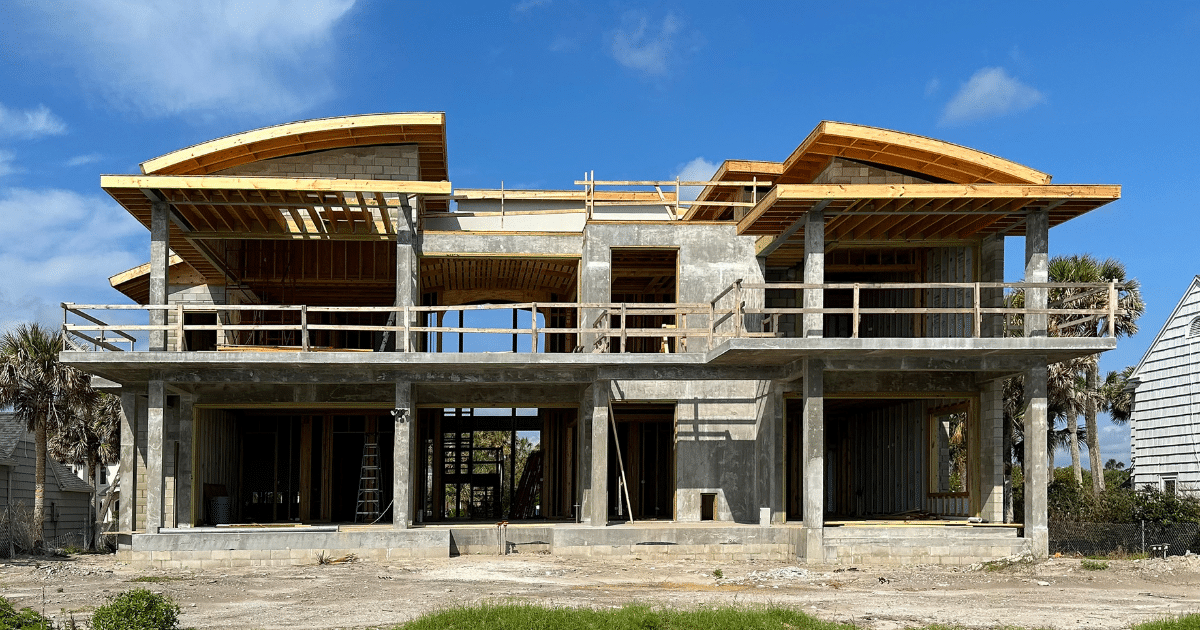
Elevated foundations help reduce flood risk by raising the home’s living areas above anticipated flood levels. This approach is particularly important for properties located near the coast or within designated flood zones.
Elevation Helps Protect Against Storm Surge
Storm surge occurs when powerful winds push seawater inland during a hurricane. Depending on the storm’s strength, storm surge can rise several feet above normal and cause significant flooding in vulnerable areas.
Elevating the home helps protect:
- Primary living spaces
- Mechanical systems
- Electrical components
- Luxury finishes and furnishings
- Valuable personal property
By placing critical portions of the structure above expected flood levels, homeowners reduce the likelihood of extensive water damage during major storms.
Understanding Flood Zones and Base Flood Elevations
Before construction begins, builders and engineers evaluate the property’s flood zone designation and applicable base flood elevation requirements. These factors influence foundation design, site planning, and overall construction strategy.
Important considerations include:
- FEMA flood zone classifications
- Local elevation requirements
- Site drainage patterns
- Stormwater management
- Coastal exposure levels
Addressing these requirements early helps avoid costly redesigns while supporting long-term resilience.
Elevated Homes Often Provide Additional Benefits
While flood protection is the primary goal, elevated foundations may also offer other advantages. Raising the structure can improve views, enhance privacy, and create opportunities for covered outdoor living spaces or garage areas beneath the home.
For luxury coastal homes, elevated design often plays an important role in both the home’s appearance and its performance during extreme weather events.
Are Impact Windows Worth the Investment?
Yes. Impact-rated windows and doors are among the most effective storm-resistant home features Florida homeowners can incorporate into a custom build.
Unlike standard windows, impact-rated products are designed to resist damage from wind-borne debris. They help maintain the integrity of the building envelope during severe storms and reduce the risk of pressure changes that can contribute to structural damage.
Impact Windows Help Protect the Home’s Envelope
During a hurricane, flying debris can strike windows and doors with tremendous force. If an opening fails, wind may enter the structure, significantly increasing pressure inside the home.
Impact windows Naples FL homeowners choose for new construction are engineered to withstand these conditions through:
- Reinforced frames
- Laminated impact-resistant glass
- Enhanced fastening systems
- Rigorous impact testing
These systems help protect both the structure and its occupants during severe weather.
Protection Without Sacrificing Luxury
Many homeowners associate storm protection with bulky shutters or visible reinforcements. Modern impact-rated windows provide substantial protection while preserving the clean architectural lines expected in luxury custom homes.
Additional benefits often include:
- Improved energy efficiency
- Reduced outside noise
- Enhanced security
- UV protection for interior finishes
- Increased property value
For many Naples homeowners, impact windows represent one of the most practical long-term investments in both comfort and storm resilience.
Doors Matter Just as Much as Windows
Exterior doors are another common vulnerability during hurricanes. Impact-rated entry doors, sliding glass doors, and other exterior openings should meet the same performance standards as the windows surrounding them.
Protecting these openings helps create a stronger, more resilient structure that performs better in high winds and extreme weather conditions.
What Materials Perform Best in Coastal Construction?
Material selection plays a major role in hurricane resistance and long-term durability. Even the strongest structural design can be compromised if the materials used throughout the home are not suited for South Florida’s climate and weather conditions.
For luxury custom homes, the goal is to select materials that deliver exceptional performance while maintaining the architectural style and refined finishes homeowners expect.
Concrete and Reinforced Masonry Offer Exceptional Strength
Concrete remains one of the most effective building materials for hurricane-resistant construction. Properly engineered concrete and reinforced masonry systems provide excellent resistance to wind pressure, flying debris, and moisture intrusion.
Benefits include:
- High structural strength
- Excellent wind resistance
- Improved durability during extreme weather events
- Resistance to rot, pests, and moisture-related damage
- Long service life in coastal environments
Many hurricane-resistant homes built by Naples, Florida, homeowners incorporate concrete block construction because of its proven performance in hurricane-prone areas.
Steel Reinforcements Strengthen Critical Components
Steel is often used throughout the home’s structural system to reinforce connections, improve load transfer, and increase overall stability.
Common applications include:
- Reinforced foundations
- Structural framing elements
- Roof connection systems
- Impact-resistant door and window assemblies
When combined with engineered design, steel helps create a stronger structure that can resist hurricane-force winds and reduce the risk of structural failure.
Coastal Environments Demand Durable Materials
Salt air, humidity, and frequent storms place unique demands on building materials. Products that perform well in other parts of the country may deteriorate more quickly in coastal areas.
For this reason, many luxury builders prioritize:
- Corrosion-resistant fasteners
- Moisture-resistant exterior materials
- Durable roofing systems
- High-performance exterior coatings
- Low-maintenance cladding materials
Selecting the right materials during construction often reduces maintenance needs while helping preserve the home’s appearance and performance over time.
The Best Results Come From Integrated Design
No single material makes a home hurricane-resistant. True storm resilience comes from combining strong materials, thoughtful engineering, quality craftsmanship, and careful attention to detail.
When every component works together, the result is a home that not only looks exceptional but also performs reliably during severe weather.
Should You Install a Whole-Home Generator?
For many luxury homeowners, storm protection extends beyond the structure itself. Power outages can last for days following a major hurricane, affecting everything from air conditioning and refrigeration to security systems and internet connectivity.
A whole-home generator helps maintain comfort, safety, and functionality when utility service is interrupted.
Backup Power Protects Essential Systems
Modern homes rely on a wide range of electrical systems to support daily life. A whole-home generator automatically restores power when an outage occurs, helping homeowners avoid disruptions during and after a storm.
Critical systems often include:
- Air conditioning and climate control
- Refrigeration and food storage
- Security and surveillance systems
- Interior and exterior lighting
- Smart home technology
- Internet and communication systems
For seasonal residents, backup power also helps protect the property when they are away.
Generators Support Long-Term Resilience
While generators do not prevent storm damage, they help homeowners recover more comfortably after a hurricane. Maintaining power reduces stress, protects valuable equipment, and keeps the home functional while utility crews restore service.
Many luxury homeowners view whole-home generators as an essential component of a comprehensive storm preparedness strategy.
Planning Creates a Better Experience
The best time to incorporate a generator is during the design and construction process. Early planning allows builders to integrate equipment, fuel systems, transfer switches, and other infrastructure in ways that minimize visual impact and maximize performance.
Like impact-rated windows and reinforced structural systems, backup power contributes to a more resilient home that performs under challenging conditions.
Building a Luxury Home That Balances Beauty and Protection
Creating a hurricane-resistant home involves far more than meeting code requirements. The strongest homes combine advanced engineering, thoughtful design, high-quality materials, and meticulous construction practices to create a structure that performs well in severe weather while delivering the comfort and elegance homeowners expect.
From elevated foundations and engineered roof systems to impact-rated windows and whole-home generators, every decision contributes to the home’s overall resilience. When these features are incorporated from the beginning, homeowners can enjoy a residence that feels just as luxurious as it is durable.
At Carlson Harris, we design and build custom homes that reflect the unique lifestyles of Naples homeowners while addressing the realities of coastal living. Our team carefully evaluates every aspect of the design and construction process to create homes that offer exceptional craftsmanship, timeless beauty, and lasting protection.
Contact Carlson Harris today to learn more about building a hurricane-resistant home in Naples.